Who I am
After over a decade of teaching storytelling for The Moth and Story Collider, I took a break from the non-profit world to focus on learning permaculture farming, foraging, and different methods of land stewardship. In immersing myself in land based practices, I found that that a more planthropocentric lens offered us models of how to harvest and preserve our stories. In other words: a healthy ecosystem of communication demands that we communicate with our ecosystem. My storytelling curriculum is based in attempting practices learned from the land and the plant world, but still lives grounded deeply in a people to people connection - understanding that storytelling is the craft that makes us human.
While I work with frequent collaborators, the curriculum and teaching practice is a culmination of over a decade of my work as a practitioner of storytelling and education. Regular checkins with a board of storytelling practitioners is a part of the process to make sure that my systems are keeping up with the latest in storytelling techniques.
Teaching has served as the ultimate outlet for my creative expression, but the creativity I’ve explored has taken many forms. In attempting to understand the utility of storytelling, I have experimented with podcasting, live performance, writing, and video. Below are some of those experiments. I’ve chosen these art projects to showcase the range of work I’ve done to inform my teaching practice. In workshops we explore many practices in an attempt to find the voice needed to express our message, and the research I’ve engaged in is through a practice of doing. These projects represent that doing.


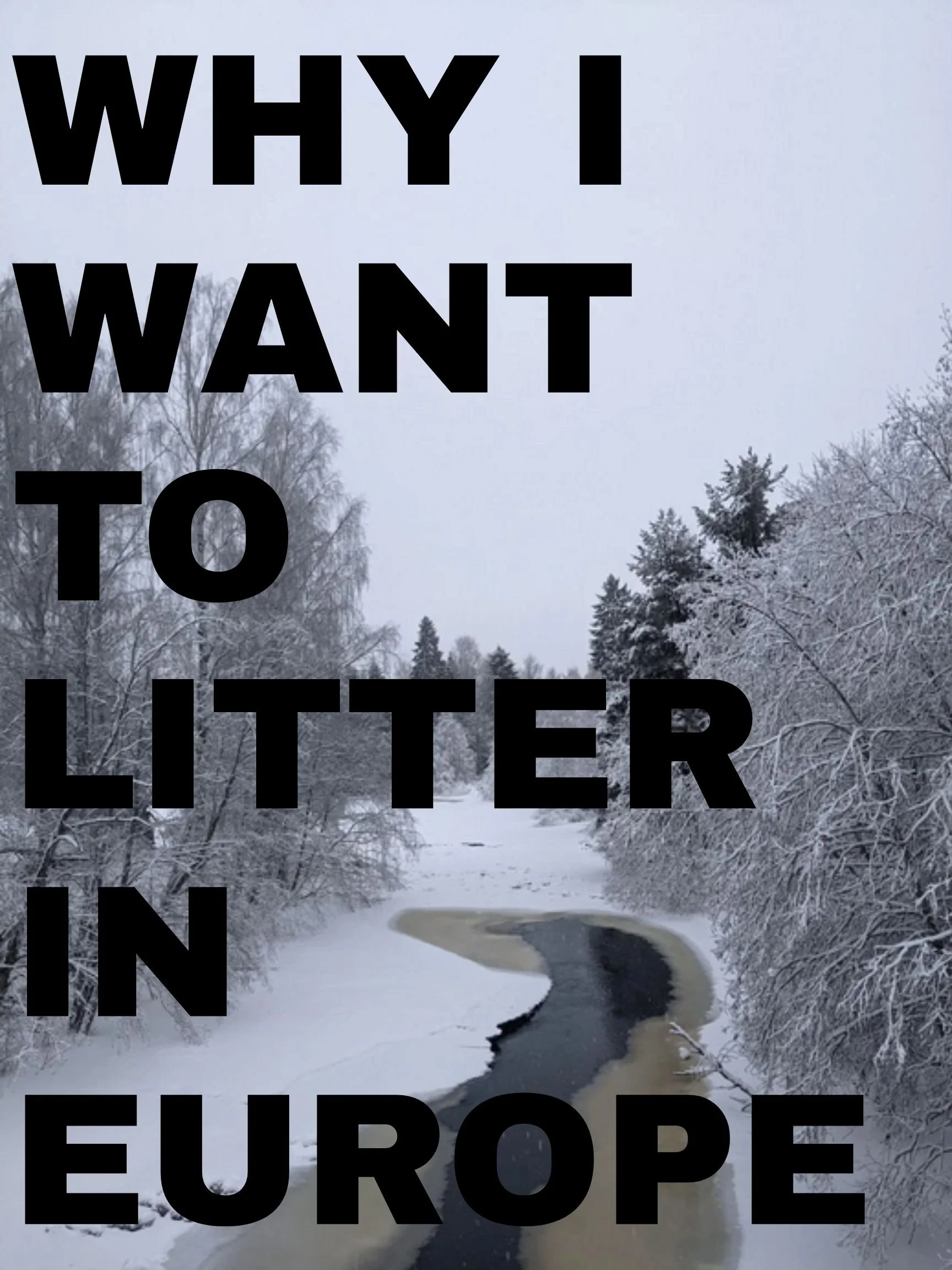
One of my most consistent practices is writing. Most recently I’ve been writing a book series about the history of European Colonization that plays with genre and voice. The initial impulse of the project was to turn the orientalizing lens that the Global North author typically has in on it’s own land, but the book series has transformed into an attempt to rewrite a mythology of how we got to this point in history, blending the present with the past and truth with subjectivity. I’ve found it a valuable experimentation in how to translate research into digestable writing. I use some of the lessons I’ve learned in this process to create activities around writing clearly for a non-academic audience, and processing information that has come from immersive investigation into narrative.

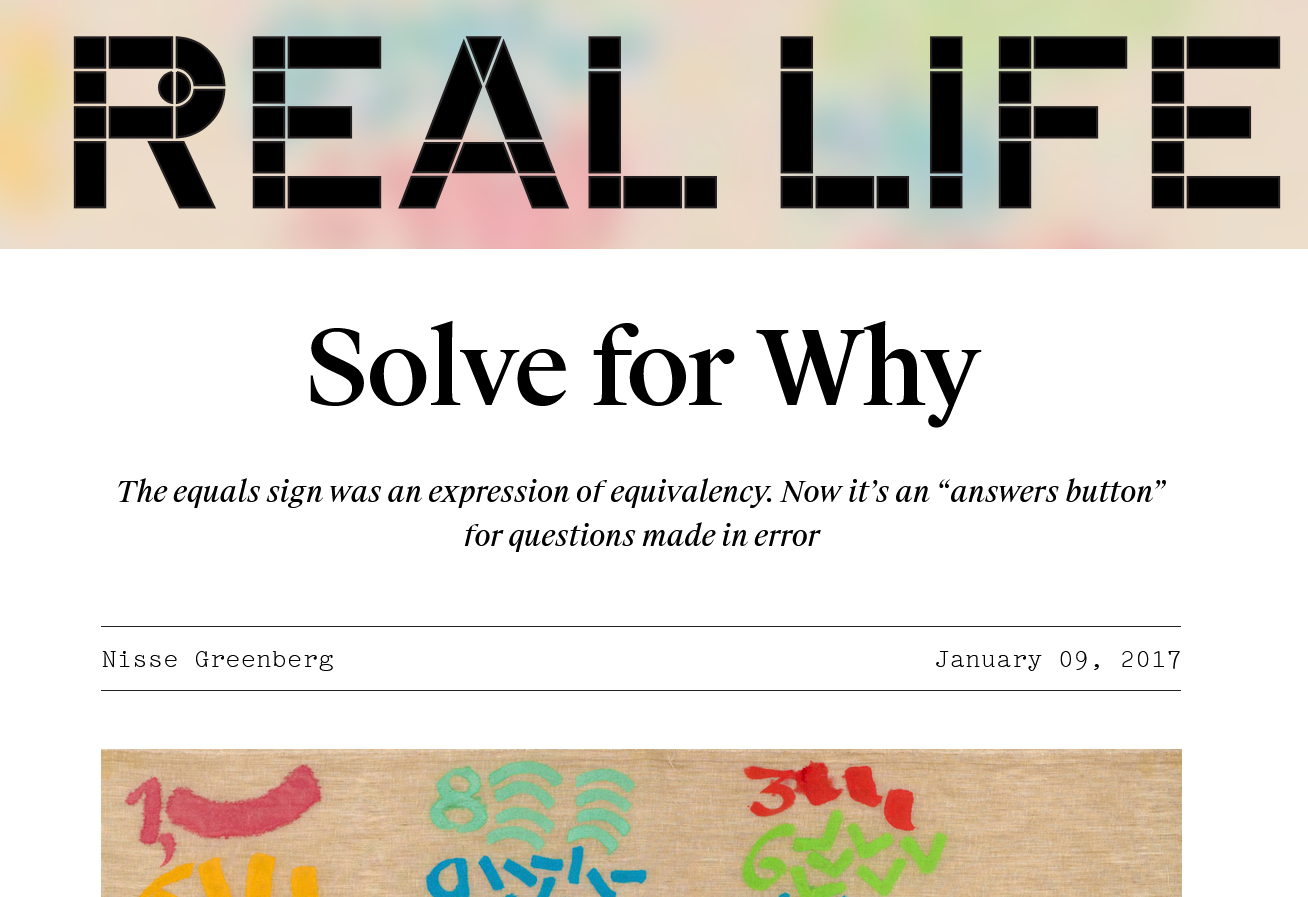
Writing
Writing for others publications has taught me about the collaborative editing process. Being in dialogue with someone who is trying to support you in developing your voice and message gives you a chance to see your ideas reflected in an audience. These processes of writing about teaching were moments to deepen my understanding of my own pedagogical practices, but they were also moments to understand the process of writing with an editor. I’m proud of both pieces and they showcase the importance of reflection as a part of the communication practice.
Storytelling on Stage
Podcast editing
While I’ve worked in podcasting for over a decade, most of that work has been associated with curating and supporting the recording of stories. I became interested in the way in which audio editing can shape a narrative. I had been producing a live storytelling show for people to share stories where we left the moment feeling “bad” - feeling like we had done the wrong thing. I turned that show into a highly edited podcast that explored the way I can tell a story through an interview. I call this audio project “Bad Feelings” and I use music, narrative transformation, and recording in remote locations to shape voice and tone and the story itself. This project was a short lived experiment, mostly meant to explore the interview process and audio editing.
Another audio project I created is an audio piece called “Working Class” that stemmed from a challenge I posed to myself to see if I could create podcast style audio without music. The proposal was what if I told stories during job interviews - questioning the depth of the statement “the whole world’s a stage,” but the project quickly became about the loops modern capitalism asks us to jump through to exist. The anxiety of the job interview became a central voice to the project and I played with the layering of my own voice ontop of itself in order to create the dynamic of dialogue through my internal monologue juxtaposed with my external monologue. The project taught me how to use raw audio to still tell a story, and how to layer meaning ontop of narrative through the medium itself.
Currently I am supporting the Smith College Education Initiative in creating a podcast centered around interviews with leaders in the field of teacher education called Conversations in Teacher Education that should be forthcoming in 2027. As well as writing and presenting a podcast exploring anger in a time of global upheaval called The F****d Up History of Every Thing that is released weekly starting in November of 2026.
Performing has been a regular practice in my adult life and I’ve performed on podcasts and live shows all over. I’ve offered a selection of some of the performances I’ve done over the years. My philosophy of teaching is that in order to understand something, one must do it - one must embody the ways of being that you are asking others to do. To the right are some versions of me doing personal storytelling on stage. I am inspired by the use of an unreliable narrator to bring you into a moment and preserve the lessons that were learned at the time.
Commodo cursus magna, vel scelerisque nisl consectetur et. Donec id elit non mi porta gravida at eget metus.